Mattie Valk Talks to AI in Bed: Why Can a Chatbot Feel So Personal?

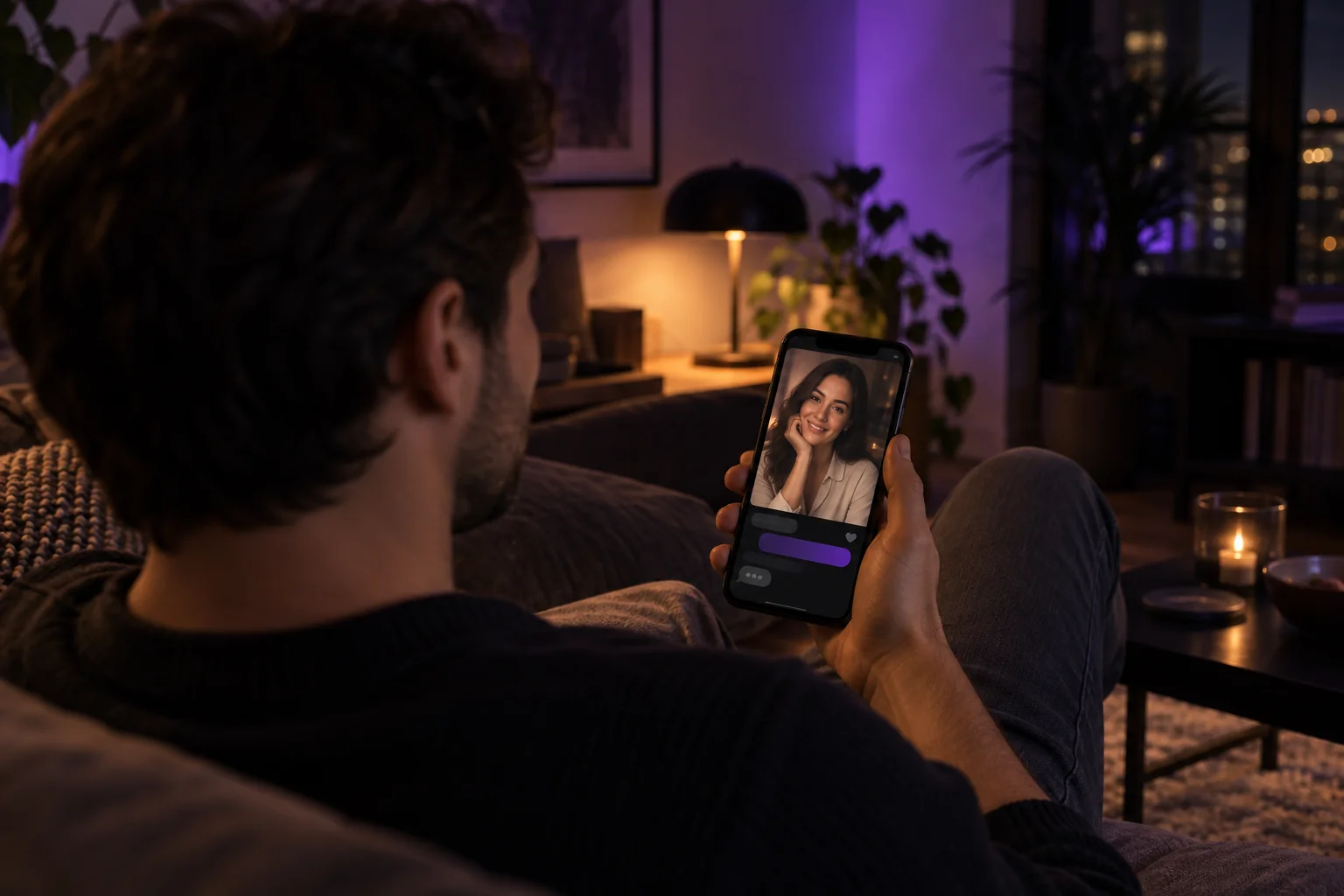
A conversation with AI sometimes starts with a practical question and ends with talking through your day. Dutch radio DJ Mattie Valk said on his morning show that he talks to an AI bot before going to sleep. According to Dutch entertainment news site Shownieuws, his girlfriend Kiki doesn't always appreciate it.
That raises a broader question: how does a digital conversation find a personal place in your life? And how do you handle it when your partner sees it differently?
What did Mattie Valk say?
Shownieuws describes how Valk shared a clip in which he talks through his day with an AI voice. He experiences the conversations as personal. His girlfriend, on the other hand, misses their shared moment of going over the day.
This doesn't automatically mean Valk uses a romantic AI girlfriend. The report is about personal contact with a chatbot. Based on a radio clip, we can't draw conclusions about their relationship as a whole.
What the example does show is how AI chat can become part of a daily routine.
Where does that personal feeling come from?
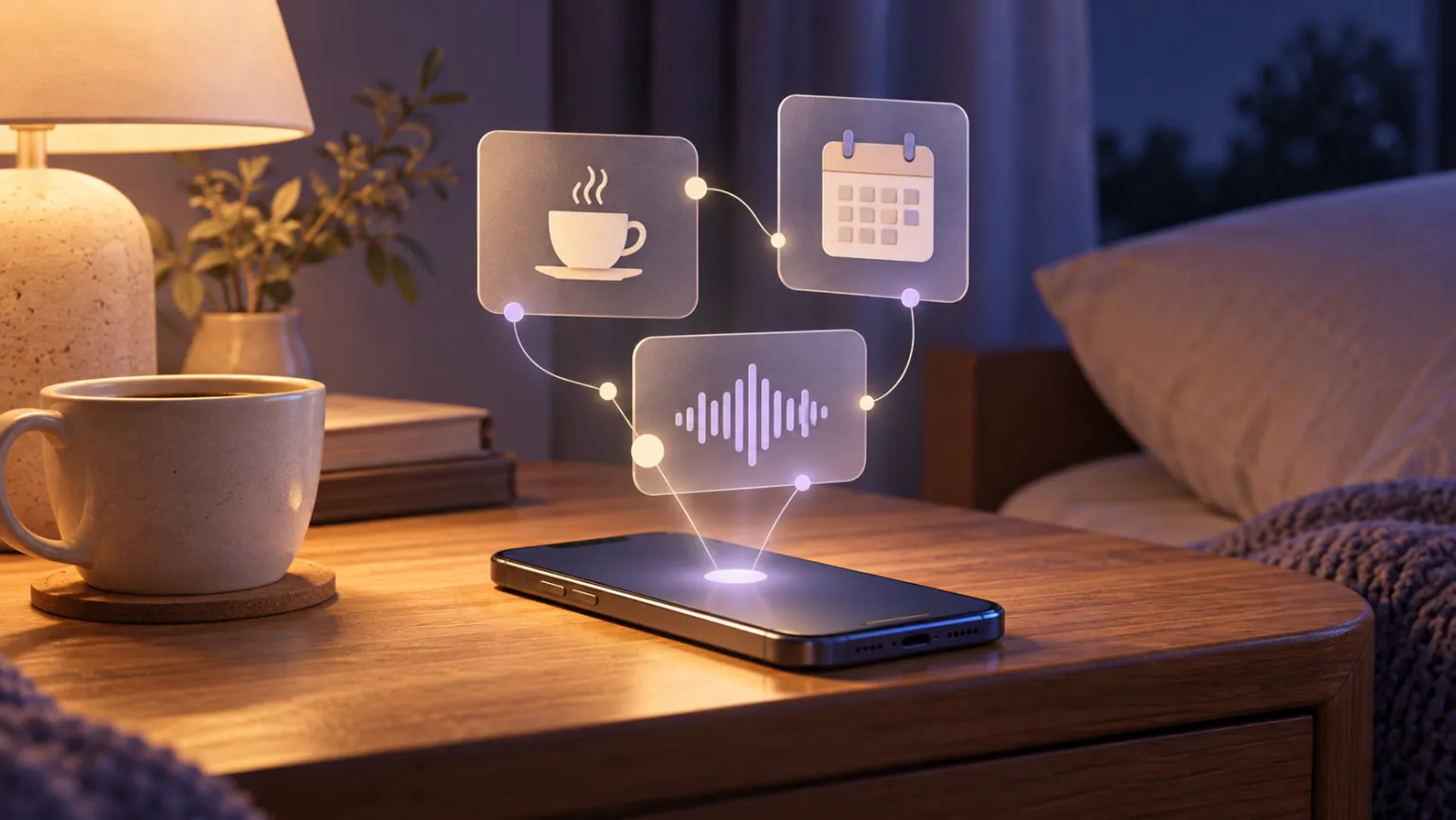
AI companions combine several elements: language, a recognizable conversational style, context and sometimes a voice or stored memories. Together, they can give the impression that a conversation continues and is tailored to you.
A chatbot doesn't need to respond romantically for that. A fitting follow-up question about something you mentioned earlier can already create a sense of recognition.
A voice adds an extra layer to text
With spoken replies, you also hear intonation, pace and pauses. The same sentence can come across as warm, curious or distant.
A natural-sounding voice pushes the technology into the background. Still, the reply remains generated. A convincing presentation is not, in itself, proof of feelings or understanding as a human experiences them.
Context makes replies more specific
A chatbot can respond to earlier messages that the app sends along to the model. That means each reply doesn't have to stand on its own.
If you mention that you had to get up early and had a busy day at work, a follow-up question can build on that. That feels more personal than a generic reply that would fit any user.
How much earlier information is available differs per service. A long visible chat history doesn't automatically mean the model receives every message again with each reply.
Memory can connect conversations
Some companion apps also store selected information for later conversations, such as interests or events you discussed earlier. That's different from only using the most recent messages within the same conversation. Read more in our article about an AI girlfriend with memory.
A fictional example:
User: “Tomorrow I start my new job.”
AI, in a later conversation: “How was your first day at work?”
A recurring detail like that can create continuity. The system does have to store, retrieve and use the information correctly. That doesn't always work: memories can be missing, outdated or applied in the wrong situation.
The Shownieuws article doesn't reveal which memory features the chatbot in the radio clip uses.
Why might a partner feel uncomfortable about it?
A personal AI conversation can mean different things. For one person, it's relaxation or a way to sort out their thoughts. Someone else may experience it as attention going to a phone during a shared moment.
That doesn't require romantic contact with AI. The timing, the content and the place the conversation takes up can already make a difference.
That's why the question “Isn't it just a chatbot?” is often too narrow. A more useful conversation starts with concrete expectations: when do you want time together, what feels private, and what kind of use are you both comfortable with?
There's no reason to assume, from a single news clip, how another couple should resolve this.
Three things to discuss together
1. What are you looking for in the conversation?
Do you use AI to laugh, describe your day, play out a story or sort out your thoughts? Explain what you get out of it, without expecting your partner to experience it the same way right away.
A concrete explanation offers more to go on than simply saying it's harmless.
2. When do you want attention for each other?
A short chat during the day may not matter much, while chatting during dinner or right before sleep may feel different.
Discuss those moments separately. You don't need an opinion on all AI chat to make agreements about phone use.
3. Which boundaries matter to you?
Think of flirting, sharing personal information and the time spent in the app. Privacy is part of that trade-off too: being open about your use doesn't automatically mean someone has to let the other read every message.
It helps to state expectations before assuming you both draw the same line. In A relationship with AI we go deeper into boundaries and expectations.
Personal is not the same as reliable
A warm reply can feel nice, but that doesn't make an answer correct. An AI companion can also make things up, misinterpret something or go along with you too easily.
So don't treat statements about yourself or your relationship as an independent expert judgment. The chatbot works with the information available to it and doesn't automatically know your partner's perspective.
The same goes for privacy. A conversation that feels confidential doesn't tell you how the provider stores or processes messages. Check what data is kept and what options you have to delete it.
What does this example show?
The story around Mattie Valk makes a development tangible: conversations with AI can find a place among daily habits, even when nobody is consciously looking for a digital relationship.
To understand that experience, it helps to look at both the technology and how it's used. Context, voice and memory can make a conversation feel personal. How much room that conversation gets in your life remains something to think about yourself and with the people around you.
Further reading: What is an AI girlfriend? How a digital companion works
Source for the news item: Shownieuws (in Dutch). The technical explanation describes general capabilities of AI chat and is not an investigation into the specific chatbot Mattie Valk uses.
About Mijn AI Vriendin: we write about AI companions and are involved in developing our own platform. This website is therefore not an independent comparison site.